Eco-Friendly Approaches: How E-Waste Recycling Services Are Preserving Our Planet
E-waste poses significant threats to the environment, as discarded electronics often contain toxic materials. These hazardous substances can contaminate soil and water, causing extensive damage to surrounding ecosystems. E-waste recycling services present a viable solution. They not only recover valuable resources but also mitigate pollution. Understanding how these services operate and their impact on communities is essential. The journey towards effective e-waste management raises critical questions about individual responsibility and collective action. What steps can be taken next?
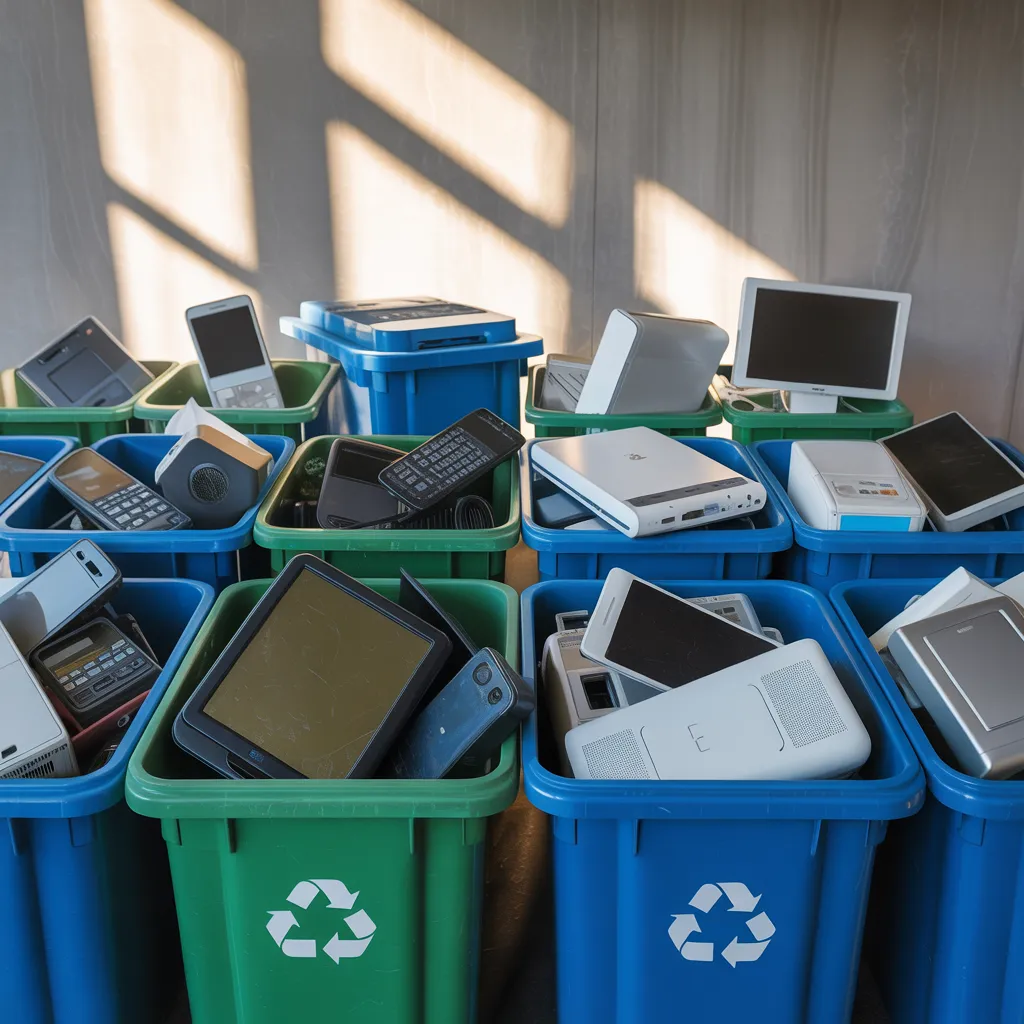
How E-Waste Is Hurting the Planet
Although technology enriches our daily lives, electronic waste presents significant environmental threats. Discarded electronic devices, commonly laden with toxic substances including cadmium, lead, and mercury, can leach toxins into soil and groundwater, posing risks to ecosystems and human health. The swift progression of technology results in increased consumer turnover of electronics, exacerbating the accumulation of discarded electronic materials.
Landfills, already burdened with waste, struggle to accommodate the growing volumes of discarded gadgets. Burning, an alternative disposal approach, discharges toxic contaminants into the air, worsening overall air quality. In addition, improper recycling practices can lead to the exportation of e-waste to developing countries, where laborers may dismantle devices without adequate safety measures, exposing themselves to dangerous substances. This ongoing cycle of carelessness and inadequate management emphasizes the pressing necessity for responsible recycling initiatives that can lessen the harmful consequences of e-waste on our world.
What Is E-Waste and Why Is It Important?
E-waste, also referred to as electronic waste, includes discarded electronic devices like televisions, computers, and smartphones that have exceeded their operational lifespan. This growing category of waste is significant because of its swift buildup, fueled by innovation in technology and shifting consumer habits. With an increasing number of devices reaching obsolescence, the environmental impact intensifies, with harmful substances like lead, mercury, and cadmium threatening both ecosystems and public health.
The significance of tackling e-waste extends beyond minimizing these risks to recognizing the valuable resources it holds. Precious metals and rare earth elements can be recovered and reused, reducing the need for mining and conserving natural resources. Through a deeper awareness of e-waste and its consequences, both individuals and organizations can make well-informed choices regarding disposal and recycling, thereby supporting a more sustainable future. Proper management of e-waste is essential for fostering a circular economy and promoting environmental stewardship.
How the E-Waste Recycling Process Works
The recycling of e-waste encompasses a structured approach designed to recover valuable materials while reducing harm to the environment. Initially, discarded electronics are retrieved and sent to specialized recycling facilities. After reaching the facility, the devices undergo thorough sorting to separate hazardous components from recyclable materials.
Following this, technicians deconstruct the items, extracting plastics, metals, and glass. This stage is crucial, as it allows for the reclamation of rare metals like gold, silver, and copper, which are repurposed in new electronic products.
Following this, the isolated materials are refined with sophisticated techniques, such as shredding and chemical treatments, to prepare them for further use.
In the final step, the remaining dangerous materials are managed properly, adhering to environmental guidelines. This comprehensive process not only preserves valuable resources but also mitigates the risks linked to unsafe e-waste handling, ensuring a more sustainable future for the consumption of electronics.
How E-Waste Recycling Benefits You and Your Community
Though many people are unaware, the advantages of e-waste recycling extend beyond personal convenience to positively impact entire communities. By carefully processing electronic waste, individuals help foster a healthier environment, reducing harmful substances that can leach into soil and water. This forward-thinking practice works to protect local ecosystems and promotes public health.
In addition, electronic waste recycling supports employment opportunities within local communities. Regional recycling centers frequently need staff for a range of functions, including collection and processing, therefore offering work opportunities within the community. This not only enhances the community economy but also encourages community engagement in sustainable practices.
Moreover, familiarity with e-waste recycling has the potential to generate educational initiatives, encouraging residents to adopt eco-friendly choices. By taking part in e-waste recycling programs, individuals foster a culture of sustainability, motivating others to do the same. All things considered, the combined impact of these actions can lead to a more resilient and environmentally responsible community.
How to Choose an E-Waste Recycling Service
Choosing the right e-waste disposal service is crucial for making sure that electronic waste is handled in a responsible and sustainable manner. Initially, people should check the company's certifications, such as R2 or e-Stewards, which signify compliance with professional guidelines for secure waste disposal procedures. It is equally important to assess the provider's standing by reviewing feedback and obtaining recommendations from trusted sources.
Next, clarity in the recycling process is essential. A dependable provider should offer detailed insights about how e-waste is processed and what becomes of the materials. Moreover, considering the scope of services provided can prove valuable; some companies may provide pickup services or offer incentives for recycling.
Finally, familiarizing yourself with local regulations regarding e-waste disposal may further shape the decision-making process. By prioritizing these factors, people are able to support successful electronic Read the article waste reduction as well as promoting environmentally responsible practices.
How You Can Take Part in E-Waste Recycling?
Getting involved with e-waste recycling can start at the local level, where local recycling facilities frequently offer essential services for proper disposal. Moreover, participating in community awareness campaigns can strengthen efforts to inform others regarding the importance of ethical e-waste practices. These initiatives not only encourage sustainable practices but also cultivate a collective sense of responsibility toward the environment.
Regional Recycling Centers
Numerous neighborhood recycling stations perform an important function in electronic waste recycling, offering communities convenient opportunities to manage electronic waste appropriately. These facilities handle a range of electronic devices, including aging computers, cell phones, and television sets, making certain that hazardous materials are managed safely. Most stations have trained staff who support individuals in understanding proper disposal practices, stressing the significance of recycling instead of landfilling. Furthermore, various hubs coordinate organized drop-off opportunities or appointed collection periods, enabling residents to engage without difficulty. By engaging with these local facilities, community members advance a circular economy, lowering environmental harm and encouraging sustainable habits. Engaging with these centers encourages communities to fight e-waste pollution decisively.
Community Outreach Campaigns
Local organizations, schools, and businesses can partner to arrange initiatives that encourage e-waste collection drives. Community members can serve a critical function in raising awareness, sharing informational resources, and connecting with local residents. As a result of these combined actions, local inhabitants gain greater awareness and encouragement to properly recycle their e-waste, ultimately contributing to a more sustainable future.
Common Questions and Answers
What Electronic Devices Are Eligible for Recycling?
Various electronics are able to be recycled, including computers, smartphones, televisions, laptops, gaming consoles, and printers. Additionally, accessories such as keyboards, mice, and batteries are well-suited for recycling, supporting eco-friendly conservation initiatives.
Are There Fees Involved With E-Waste Recycling?
Indeed, e-waste disposal may involve charges, based on the facility. Some service centers charge fees for gathering or treatment, while some providers offer free services, frequently supported by the sale of reclaimed components.
What Are the Benefits of E-Waste Recycling for Businesses?
Companies can take advantage of e-waste recycling by lowering disposal expenses, strengthening their ecological standing, complying with regulations, recovering valuable materials, and creating potential earnings via resale, thus supporting a greener and more sustainable operational framework.
What Happens to Data on Recycled Devices?
Data on refurbished devices is commonly permanently erased or destroyed throughout the recycling process. This ensures sensitive information stays protected, blocking unwanted intrusion while allowing components to be reused carefully and ethically in new products.
Is It Possible to Recycle Damaged Electronics?
Indeed, damaged electronics are able to be recycled. Many collection points take in broken devices, ensuring safe disposal and recovery of useful materials. This effort helps minimize the environmental footprint while encouraging sustainable recycling habits to control electronic waste properly.